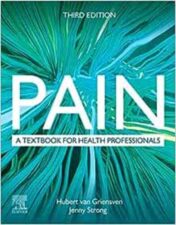

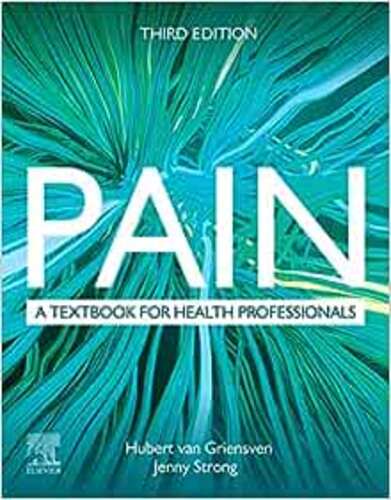
Written by internationally acclaimed authors, this third edition of the book bridges the gap between theoretical knowledge and practical application for the assessment and management of patients with persistent pain. The content is presented in clear and accessible language, making it an invaluable resource for both students and clinicians.
Key Features of the Textbook:
Personal and Therapeutic Aspects: The book emphasizes the importance of the therapeutic alliance and considers social and cultural aspects of pain. It also explores pain education for patients, fostering a deeper understanding of a person’s pain experience.
Interdisciplinary Approach: With a focus on interprofessional practice, the textbook advocates for collaborative efforts among various healthcare professionals. It caters to a wide audience, including physiotherapists, occupational therapists, social workers, nurses, GPs, and undergraduate students.
Inclusive Coverage: The book covers all aspects of pain and pain management, encompassing both acute and chronic pain scenarios. New chapters have been added on communication, the language of pain, multidisciplinary and interdisciplinary working, pain education for patients, and inequities in pain, including pain in low- and middle-income countries and among indigenous peoples.
Updated Information: The textbook reflects the latest evidence and understanding, with updated chapters providing new insights into the psychology of pain.
Whether you are a seasoned clinician seeking factual and informative content for everyday practice or a student aspiring to grasp the complexities of pain management, this textbook is an indispensable resource. Gain a new lens to understand pain experiences and acquire effective tools for pain management through this comprehensive and informative guide.