
Cancer Multi-Drug Resistance
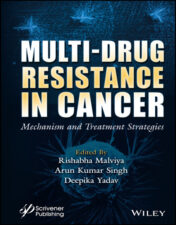
The book goes into detail about the targets of new chemotherapeutic drugs as well as the mechanisms driving multi-drug cellular resistance.
Worldwide, cancer kills a lot of people. Chemotherapy remains the cornerstone of contemporary cancer treatment, despite all the advancements. A significant obstacle to effective chemotherapy is the development of the cellular defeat of several separate anticancer medications in terms of their chemical structure. This syndrome, which is present in the majority of cancer patients, is known as multi-drug resistance (MDR). According to statistics, 90% of cancer patient fatalities are caused by treatment resistance. Prolonged chemotherapy frequently results in refractory cancer and tumor recurrence. The incidence of mutations that confer drug resistance makes treating malignancies more challenging and reduces the therapeutic efficacy of medications.
Nine chapters make up the book Multi-Drug Resistance in Cancer: Mechanism and Treatment Strategies. These chapters discuss subjects like studying the mechanics of drug resistance by autophagy, defining the role of efflux transporters, drug transporter expression, resistance to targeted therapies in breast cancer, advances in metallodrug driven combination therapy for cancer, and using natural agents to overcome drug resistance.
The goal of the book is to present the most recent information on the processes of cellular resistance to anticancer drugs currently being utilized in clinical therapy. It offers a deeper comprehension of the MDR mechanisms and the targets of innovative chemotherapy drugs, which should direct future research on new potent cancer treatment methods.
Audience
This book is written for pharmaceutical and biomedical scientists and researchers at both the bench and in the clinic who are interested in the mechanisms and strategies for overcoming cancer’s multi-drug resistance.