
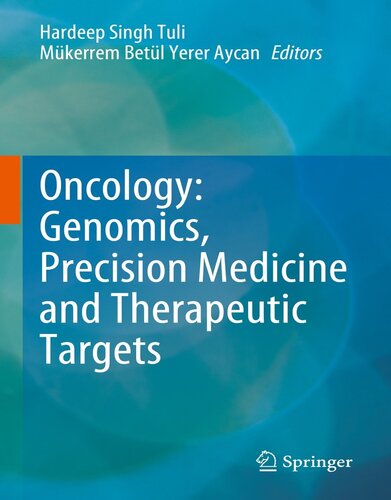
The journey from clinical and molecular diagnosis to treatment is covered in this book, along with translational cancer therapies. Additionally, precision medicine translates genetic modifications, microRNAs, and long non-coding RNAs for cancer patients’ personalized treatment. It shows how various pharmacogenetic variables influence the pharmacodynamic/pharmacokinetic (PD/PK) modulations of medicines. In reality, the current book has also taken into account the importance of biostatistics and bioinformatics given the large-scale data analysis behind precision medicine methods. Because of this, the intended book discusses the compelling scientific evidence supporting the use of precision medicine in the treatment of cancer as well as its possible future uses. It addresses the gaps in cancer biology and precision medicine with its up-to-date material and well-designed chapters.
Students studying medicine, science, and other multidisciplinary fields will find it to be a priceless resource. For the scientific community, research organizations, and university-industry research partners, the ability to learn about cancer drug targets, precision, and personalized medicine in one location—including an introduction to cancer cell signaling, genomic alterations, miRNA targeting, pharmacogenetics, biomarkers, and metabolomics in precision medicine—is a very welcome addition.